Where Should a TV Be Mounted? Finding the Right Height for Your Room
For years, we’ve wrestled with this question in our own homes. That awkward moment when you’ve unboxed a brand-new, sleek television, ready to finally ditch the bulky stand and embrace that minimalist…
For years, we’ve wrestled with this question in our own homes. That awkward moment when you’ve unboxed a brand-new, sleek television, ready to finally ditch the bulky stand and embrace that minimalist aesthetic. But then the real dilemma begins: where exactly do we put it? We’ve seen them mounted too high, forcing our necks into an uncomfortable upward crane. We’ve seen them too low, awkwardly positioned below a bustling fireplace. We’ve even seen them angled so strangely that the picture is almost impossible to discern. This isn’t just about aesthetics; it’s about comfort, immersion, and ensuring our expensive electronics are safely and optimally positioned. It’s about creating a viewing experience that truly enhances our living spaces, rather than detracting from them. So, we decided to put our heads together and explore the ins and outs of TV mounting height, armed with the latest practical advice and a desire for a truly comfortable viewing experience.
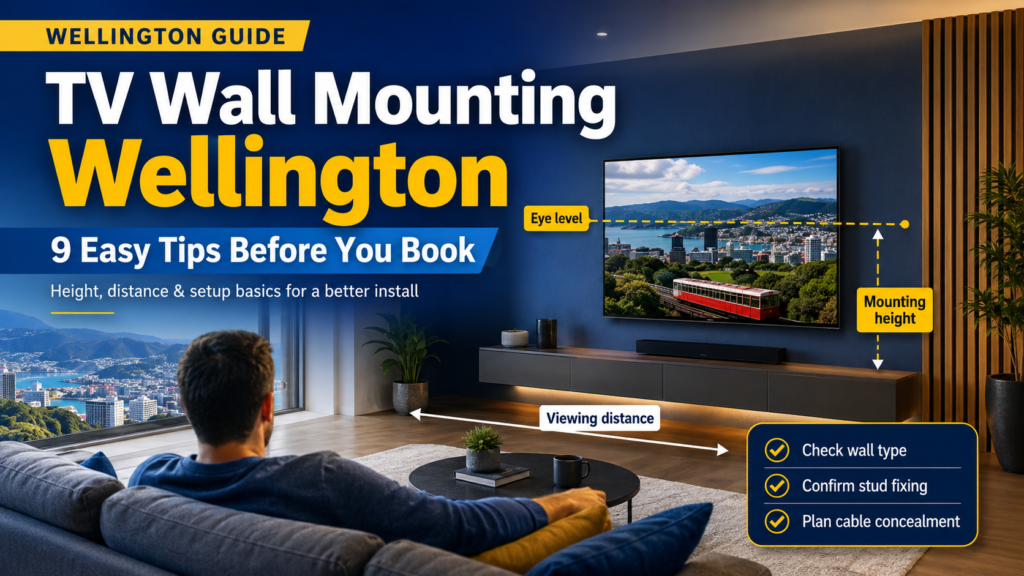
The most universally accepted and frankly, the best, advice we’ve found for determining the perfect TV mounting height boils down to a simple, yet profoundly effective principle: the center of your screen should be at your seated eye level, or perhaps just slightly below. This isn’t some arbitrary guideline; it’s rooted in ergonomics and the natural way our eyes function. When we’re seated and relaxed, our gaze naturally falls forward, not significantly upward or downward. Aligning the TV with this natural line of sight minimizes strain on our neck and eyes, allowing for hours of comfortable viewing without that nagging ache or the need to constantly adjust our seating position.
Finding Your Personal Seated Eye Level
This might sound straightforward, but it’s worth taking a moment to be precise. We’ve found that the most accurate way to determine this is to actually do it. Grab a tape measure and a helper (or a well-placed piece of furniture to mark your spot).
Measure While Seated
Sit on your primary viewing sofa or chair in your typical posture. Relax your head and neck. Have someone else measure the distance from the floor to the exact center of your pupils. This measurement is your ideal target for the center of the TV screen. We’ve found that this can vary slightly depending on the height of our furniture and our individual body proportions. Don’t be afraid to get a little granular here; a few inches can make a surprising difference in comfort.
Account for Reclining and Lounging
If your primary viewing involves kicking back in a recliner or lounging on the floor, it’s essential to factor that in. For us, with a family that enjoys movie nights sprawled on the rug, we’ve learned that this means a slightly lower mounting height might be preferable.
Adapting for Recliners and Casual Seating
When using recliners, our eye level naturally shifts to a higher position. Similarly, if we often watch TV while lying down or sitting on floor cushions, our eye level will be significantly lower. In these scenarios, we’d repeat the measurement process while in those specific viewing positions. The goal is to ensure that no matter how we’re comfortably settled, the center of the screen remains within our natural field of vision. This might mean we end up with a slightly lower mount in the living room if recliners are dominant, or a higher mount in a bedroom.
The “Average” Height and When It Works
While personal measurement is king, we also recognize that sometimes a quick reference is helpful. Many sources, and indeed our own past experiences, point to a common shortcut: aiming for about 42 inches from the floor to the center of the TV screen.
The 42-Inch Guideline
This 42-inch mark often serves as a good starting point for a standard living room setup with average-height furniture. It’s a practical, easy-to-remember number that works well for a significant portion of our population and typical seating arrangements. We’ve used this as a jumping-off point ourselves on numerous occasions, and it’s frequently spot-on.
Why the Variation Exists
However, it’s crucial to understand why this is a shortcut and not a hard-and-fast rule. The 42-inch measurement is an average. It assumes a certain sofa height, a certain average seated eye level, and a certain distance from the screen. If our sofa is exceptionally low to the ground, or if we’re particularly tall and have a high seated eye level, that 42-inch mark might be too low or too high, respectively. This is why we always stress going back to that personal measurement.
When considering the optimal height for mounting your TV, it’s essential to take into account not just the viewing angle but also the overall aesthetics of your room. For further insights on how to enhance your living space with technology, you might find this related article helpful: About STECH Services. It provides valuable tips on integrating modern devices into your home while maintaining a stylish and functional environment.
Considering Your Room Layout and Seating Arrangement
The room itself plays a significant role in determining the ideal TV mount height. It’s not just about our personal eye level; it’s about how that eye level intersects with the physical space and the furniture within it.
Living Room Dynamics
Our living rooms are often the hub of family activity and entertainment. They’re designed for comfort and social interaction, and the TV is usually a focal point.
Typical Living Room Setups
In a typical living room, with a standard sofa or sectional, the 42-inch guideline often works beautifully because it aligns with the average seated eye level when people are positioned on such furniture. The distance from the seating to the TV also plays a role here. If we have a very deep room, the TV might need to be slightly higher to maintain an optimal viewing angle without feeling like we’re looking down too much. Conversely, in a more compact living room, a slightly lower mount might be better to avoid feeling overwhelmed by the screen.
Fireplace Dilemmas
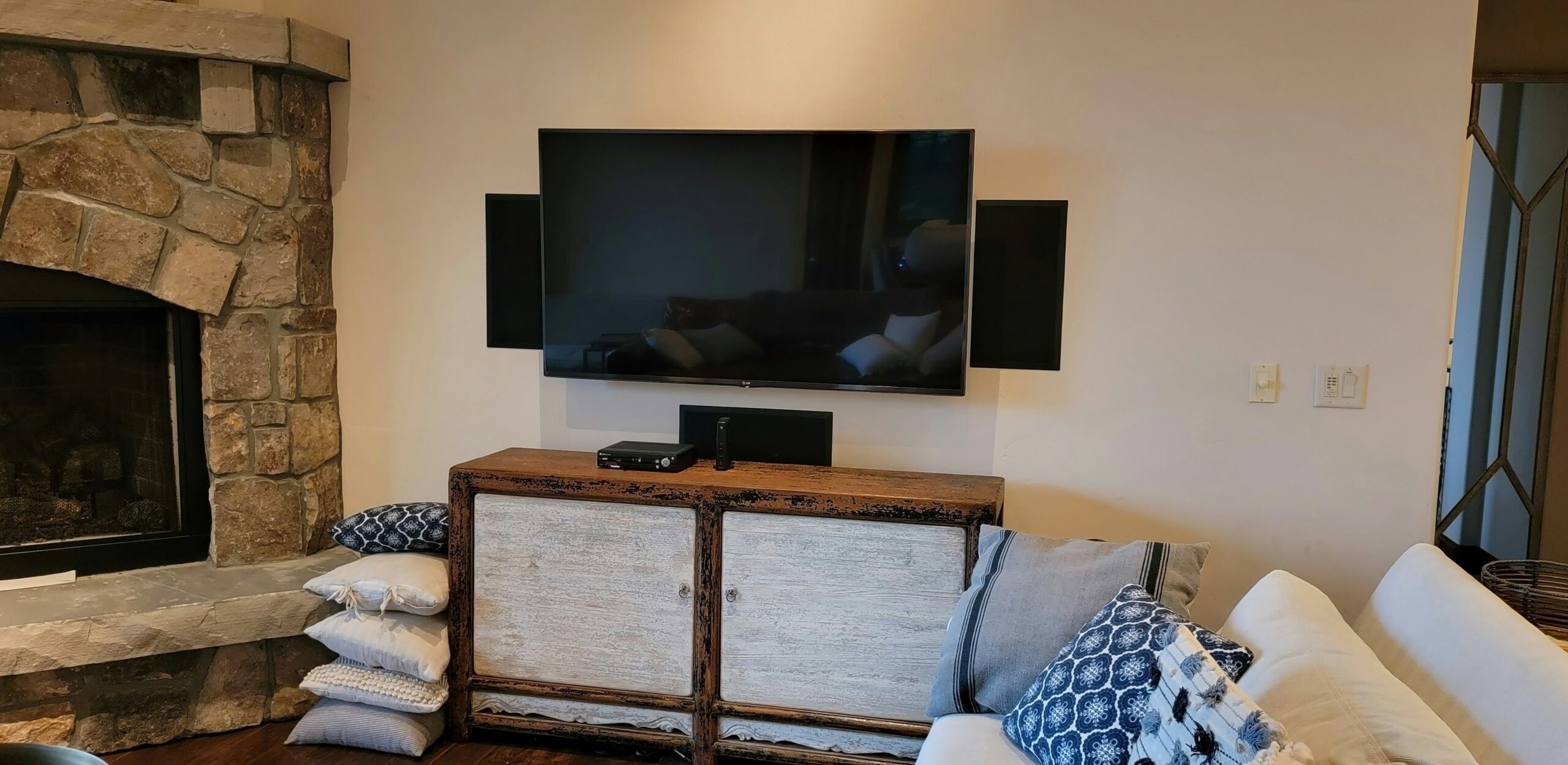
Ah, the dreaded fireplace mount. We’ve seen it, we’ve debated it, and honestly, we often advise against it. Mounting a TV above a fireplace is a very common design choice, often driven by the desire to utilize often-unused wall space. However, fireplaces are typically mounted quite high off the floor to accommodate the firebox. This automatically places the TV significantly above comfortable eye level.
The Ergonomic Sacrifice of Fireplace Mounting
When a TV is mounted above a fireplace, we are almost invariably forced to look upwards. This leads to neck strain, eye fatigue, and a compromised viewing experience. While some might argue for the aesthetic appeal, for us, the ergonomic compromise is too great. If a fireplace mount is absolutely unavoidable, we’ll discuss solutions like tilting mounts later.
Bedroom Bliss: A Different Perspective
Our bedrooms are sanctuaries for relaxation and rest, and our TV viewing habits often reflect that. We tend to watch TV in bed, often while leaning back or even lying down. This changes our natural eye level considerably.
Mounting for Bedtime Viewing
When mounting a TV in a bedroom, the primary consideration becomes our eye level when we are in our preferred sleeping or lounging position. If we’re always propped up on pillows, our eye level will be higher than when we’re lying flat.
Measuring from Your Pillow Fort
We’ve found that it’s best to replicate our typical bedtime viewing scenario. Sit up in bed, lean back against the headboard, and get comfortable. Then, have someone measure the distance from the floor to the center of your pupils. This measurement will likely be higher than our living room measurement, and that’s perfectly normal. A TV mounted too low in a bedroom can feel awkward and require us to crane our necks downwards, which defeats the purpose of a relaxing viewing experience.
The Challenges of High Mounts and How to Overcome Them

Sometimes, despite our best intentions, the practicalities of a room dictate that the TV needs to be mounted higher than ideal. This is especially true in rooms with high ceilings or in situations where we’ve succumbed to the fireplace temptation. Fortunately, there are solutions.
The Importance of Tilting Mounts
When a TV must be mounted higher than our seated eye level, a tilting wall mount is an absolute game-changer. These mounts allow us to angle the TV downwards, directing the picture towards our viewing position.
Adjusting the Angle for Optimal Viewing
A good tilting mount can make a significant difference. We’ve found that even a few degrees of downward tilt can transform an uncomfortable viewing experience into an enjoyable one. It’s not a perfect substitute for a perfectly placed TV at eye level, but it’s the next best thing. The key is to find a mount that allows for a good range of motion and can be securely locked into place at the desired angle.
Considerations for Tilting Mounts
When selecting a tilting mount, we always check its weight capacity to ensure it’s well above the weight of our TV. We also consider how easily the tilt can be adjusted. Some mounts have locking mechanisms that require tools, while others offer tool-free adjustments, which can be more convenient for fine-tuning the angle. We also ensure the mount allows us to get the TV close enough to the wall when we’re not actively tilting it.
Considering TV Size and Distance
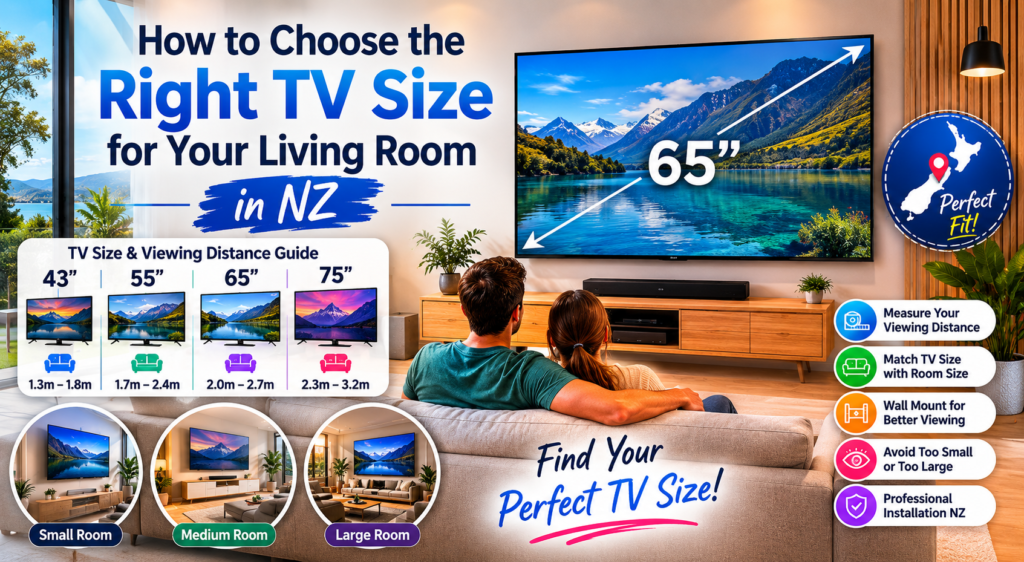
It’s not just about height; the size of the TV and the distance from which we watch it also influence our perception of the optimal height.
Larger Screens and Lowering the Mount
A larger TV, especially one that fills a significant portion of our field of vision, might benefit from being mounted slightly lower than a smaller screen, even at the same eye level. This is because the sheer size of the screen can create a sense of immersion, and if it’s too high, it can feel like we’re looking up at a giant billboard. We’ve found that with larger displays, we might even bring the center of the screen an inch or two below our seated eye level to ensure the entire screen remains comfortably within our peripheral vision.
Shorter Distances and Eye Level Primacy
Conversely, if we’re sitting very close to the TV, maintaining that strict eye-level alignment becomes even more critical. At closer distances, any deviation from eye level will be more pronounced and potentially more uncomfortable. This is why a compact viewing nook might necessitate a more precise measurement and a careful selection of mounting height.
Safety and Installation: The Unsung Heroes of TV Mounting

While we’re focused on the perfect viewing angle and comfortable height, it’s crucial not to overlook the fundamental aspects of safe and secure installation. A beautifully positioned TV is no good if it’s precariously mounted or, worse, falls off the wall.
Finding the Wall Studs: The Foundation of Security
This is non-negotiable. Mounting a TV directly into drywall without hitting a wall stud is a recipe for disaster. Drywall alone cannot support the significant weight of a television.
Using a Stud Finder
We always start by locating the wall studs. A good quality stud finder is an essential tool. We typically run it horizontally across the wall where we plan to mount the TV, marking the edges of each stud. This gives us a clear picture of where the solid anchoring points are.
Double-Checking for Accuracy
Some stud finders can be a bit finicky. We often like to confirm our findings by gently tapping on the wall or using a small nail to probe the area. Once we’ve identified the center of a stud, we mark it clearly.
The Importance of a Level Installation
A crooked TV is not only aesthetically displeasing, but it can also put uneven stress on the mount and the wall. A level installation ensures that the weight is distributed evenly and the TV hangs straight.
Using a Spirit Level
We always have a spirit level handy during the installation process. Before drilling any holes, we place the mount against the wall and ensure it’s perfectly level. Even when mounting to studs, it’s crucial that the mount itself is plumb and level.
Adjustments During Installation
If we’re mounting a TV bracket that requires us to drill pilot holes, we’ll use the level to ensure those holes are perfectly aligned. During the actual attachment of the mount to the wall, we’ll re-check with the level multiple times to ensure everything is precisely positioned.
Choosing the Right Mount: Weight Ratings and Compatibility
Not all mounts are created equal. It’s essential to select a mount that is specifically designed for your TV and the type of installation you’re doing.
Exceeding the TV’s Weight
This is a critical safety factor. The mount’s weight rating must be higher than the weight of your television. We never want to be at the maximum capacity of the mount. Opting for a mount with a higher weight rating provides an extra layer of security and peace of mind. We always check the specifications of both our TV and the mount to ensure they are compatible in this regard.
Fixed, Tilting, and Full-Motion Mounts
We also consider the type of mount. Fixed mounts offer the simplest and most secure installation but don’t allow for any adjustment. Tilting mounts, as we’ve discussed, are excellent for correcting downward viewing angles. Full-motion mounts offer the most flexibility, allowing us to extend, swivel, and tilt the TV, which is great for rooms where we might watch from various angles. However, these require more robust wall anchoring and careful consideration of the studs.
When considering the ideal height for mounting your TV, it’s also important to think about the overall setup of your room, including the placement of furniture and lighting. For those looking to enhance their viewing experience further, you might find it beneficial to explore options for home security systems. A related article on this topic can be found here, which discusses how to integrate technology into your living space effectively.
The One-Line Formula: Your Personalized Mounting Solution
| Room Type | Ideal Height |
|---|---|
| Living Room | 42-48 inches from the floor to the center of the TV |
| Bedroom | 50-56 inches from the floor to the center of the TV |
| Kitchen | 48-52 inches from the floor to the center of the TV |
| Home Office | 42-48 inches from the floor to the center of the TV |
After all this discussion, we can distill the core principle into a simple, actionable formula that you can use for your specific setup. It’s about taking the guesswork out of the equation and providing a personalized solution.
The Formula in Action
The most effective way to represent this is:
[Your Seated Eye Height (from floor to pupil center)] + [Offset for desired screen center position] = [Height from floor to the bottom of the TV mount bracket]
Let’s break this down.
Step 1: Measure Your Seated Eye Height
As we’ve emphasized throughout, this is the foundation. Sit in your primary viewing position, relax, and have your eye level measured from the floor to the center of your pupils. Let’s say this measurement is 40 inches for this example.
Step 2: Determine Your Offset
This is where we fine-tune. If you want the center of the screen at your eye level, and the TV is, for instance, 20 inches tall, then the bottom of the screen is 10 inches below the center. The mounting bracket will be positioned below the TV. The distance from the bottom of the TV to the mounting bracket varies by TV and mount, but for simplicity, we’ll assume the bracket attaches to the center of the back of the TV. Therefore, the mounting bracket itself should align with your seated eye height. However, wall mounts attach to the back of the TV, and often lower than the screen’s center.
A more practical application of the formula focuses on the mounting point:
[Your Seated Eye Height] = [Height from floor to the center of the TV screen]
To find the height of the mount on the wall:
[Height from floor to the center of the TV screen] – [Distance from the center of the TV screen to the TV’s mounting holes] = [Height from floor to the bottom of the TV mount]
This still requires knowing the TV’s dimensions and the mount’s attachment points.
A simpler, more direct application, focusing on where the top of the mount plate should be for the center of the screen to align with eye level:
[Your Seated Eye Height] = [Height from floor to the center of the TV screen]
Then, you’ll need to consider the physical dimensions of your TV and the mount to determine where to place the wall bracket.
Here’s a more refined approach to the formula, focusing on the placement of the wall bracket:
[Your Seated Eye Height (pupil center)] + [Vertical distance from pupil center to where you want the center of the TV screen to be] – [Distance from the center of the TV screen to the bottom of the TV mount bracket’s attachment point on the TV] = [Height from the floor to the bottom of the wall mount bracket]
Let’s try an example with this refined formula:
- Your Seated Eye Height: 42 inches
- Desired Offset (center of screen at eye level): 0 inches (meaning the center of the screen is at eye level)
- Distance from the center of the TV screen to the bottom of the TV mount bracket’s attachment point on the TV: This is a crucial measurement. Let’s say your TV is 50 inches diagonally, and the manufacturer specifies that the VESA mounting holes are 8 inches from the bottom of the TV. The center of the screen is roughly halfway up the screen’s height. If the screen is 25 inches tall, the center is 12.5 inches from the bottom. So, the distance from the center of the screen to the mounting holes (which are near the bottom) is roughly 12.5 inches.
Applying the formula:
42 inches + 0 inches – 12.5 inches = 29.5 inches
This means the bottom of your wall mount bracket should be approximately 29.5 inches from the floor.
Adjusting for Specific Needs
This formula is a starting point. We’ve learned that sometimes we want the center of the screen slightly below eye level for maximum comfort, especially with larger screens. In such cases, we might adjust the “Desired Offset” to a negative value (e.g., -2 inches).
The Bedroom Exception
As discussed, for bedroom viewing, you’ll measure your seated eye level in bed and plug that into the formula.
Example with Bedroom Viewing
Let’s say in bed, your eye level is 48 inches. Using the same TV and mount dimensions:
48 inches + 0 inches – 12.5 inches = 35.5 inches
The bottom of the wall mount bracket should be approximately 35.5 inches from the floor.
Using the Formula in Practice
We encourage you to perform this measurement and calculation carefully. Write down your measurements. Double-check them. This one-line formula, when applied diligently, will provide the most accurate and comfortable TV mounting height for your specific room and viewing habits. It’s the culmination of years of trial and error, distilled into a simple, effective process. By prioritizing your comfort and ergonomics, we can transform our living spaces into truly immersive and enjoyable entertainment hubs.
FAQs
1. What is the ideal height for mounting a TV in a living room?
The ideal height for mounting a TV in a living room is at eye level when seated. This typically means the center of the TV should be around 42 inches from the floor.
2. What factors should be considered when determining the height for mounting a TV?
Factors to consider when determining the height for mounting a TV include the size of the TV, the seating arrangement in the room, and the viewing distance from the TV.
3. Should the height of the TV be adjusted based on the type of room it is in?
Yes, the height of the TV should be adjusted based on the type of room it is in. For example, in a bedroom, the TV may be mounted slightly higher to allow for comfortable viewing from bed.
4. Are there any guidelines for mounting a TV above a fireplace?
When mounting a TV above a fireplace, it is recommended to ensure that the bottom of the TV is at least 4-6 inches above the mantel to prevent heat damage.
5. What are some common mistakes to avoid when mounting a TV?
Common mistakes to avoid when mounting a TV include placing it too high or too low, not considering the viewing angle, and not properly securing the TV mount to the wall.
Related Posts