
Office Cleaning Checklist: 9 Easy, Essential Tasks
An office cleaning checklist works best when it names the task, the frequency and the person responsible. “Clean the office” is too vague to explain whether kitchens, desk surfaces, floors or meeting rooms are included. This practical Wellington guide gives you nine areas to cover and a simple way to turn them into a reliable cleaning brief.
Table of Contents
- 1. Build an office cleaning checklist around your workplace
- 2. Entryways and reception
- 3. Desks and shared work surfaces
- 4. Kitchens and staff rooms
- 5. Bathrooms and handwashing areas
- 6. Floors, carpets and meeting rooms
- 7. Bins and waste handling
- 8. Periodic detail cleaning
- 9. Safety and quality checks
- Turn the checklist into a quote brief
- office cleaning checklist: frequently asked questions
An office cleaning checklist works best when it names the task, the frequency and the person responsible. “Clean the office” is too vague to explain whether kitchens, desk surfaces, floors or meeting rooms are included. This practical Wellington guide gives you nine areas to cover and a simple way to turn them into a reliable cleaning brief.
1. Build an office cleaning checklist around your workplace
Build your office cleaning checklist by walking through the premises and listing rooms, floor finishes, shared equipment and busy entry points. Record approximate occupancy and opening hours. An office with frequent visitors and a shared kitchen may need a different routine from a small workspace used only a few days each week.
Decide which tasks belong to staff and which belong to the cleaning provider. This prevents a familiar problem: each side assumes the other is emptying the dishwasher or clearing desk surfaces. Write exceptions down rather than leaving them to informal conversations.
2. Entryways and reception
Entry mats and reception floors belong on an office cleaning checklist because they collect tracked-in dirt. Include vacuuming or the appropriate floor-cleaning method, clearing visible litter and wiping suitable touchpoints. Check the entrance after busy or wet periods and adjust the routine if needed.
Keep exits and access routes clear while work is underway. Specify how cleaners should manage visitors, wet floors and any furniture movement. If an entrance is shared with another tenant, identify who is responsible for that area.
3. Desks and shared work surfaces
An office cleaning checklist should specify whether desk wiping is included and whether staff must clear desks first. Cleaners should not move confidential paperwork or disturb connected equipment to meet an unclear scope. A clear-desk arrangement makes the task more consistent and protects work materials.
Use products suitable for each surface. Screens, keyboards and specialist equipment need their manufacturer’s instructions and an agreed method. Treat general surface cleaning and electronic-equipment cleaning as separate tasks.
4. Kitchens and staff rooms
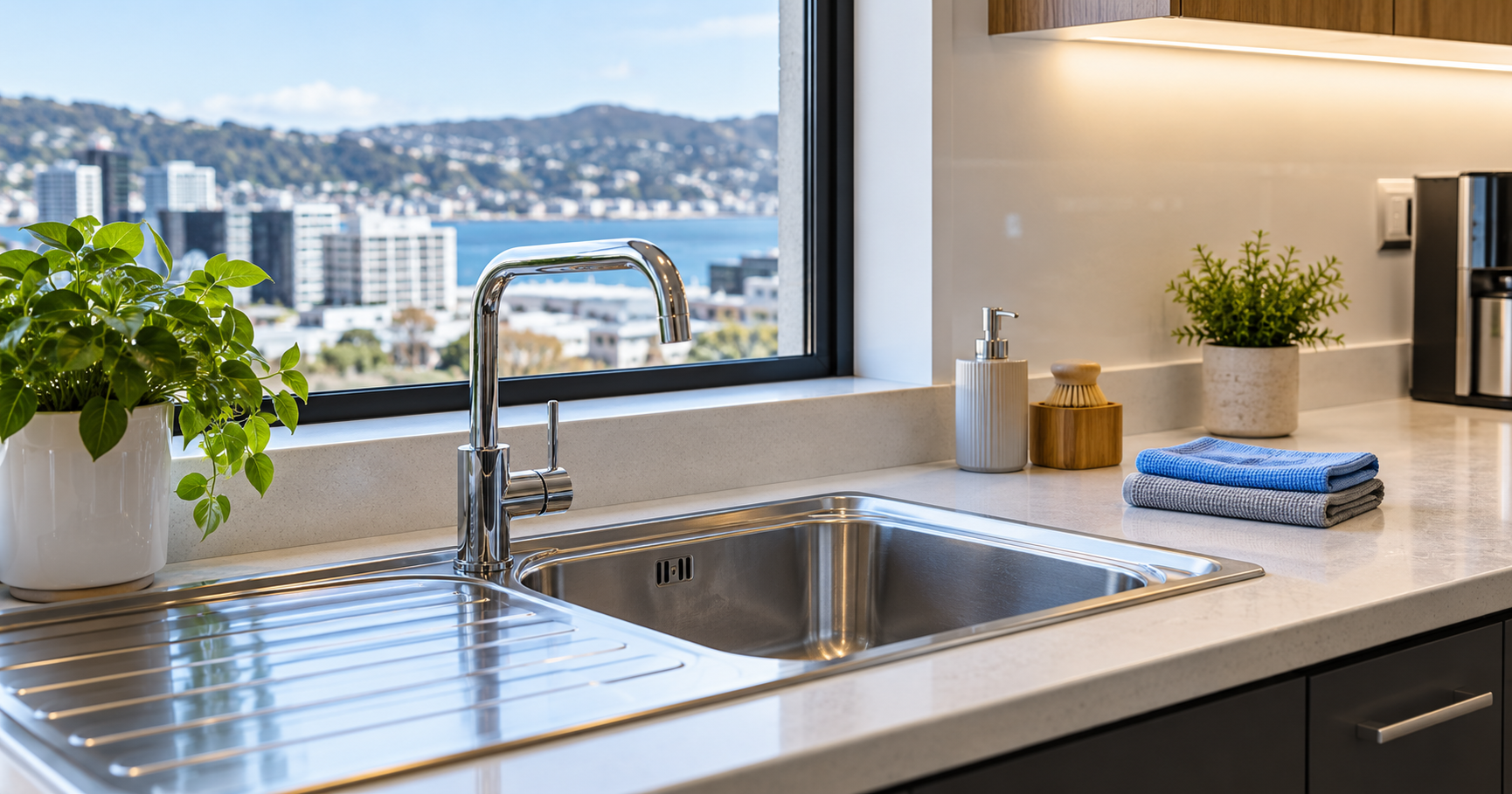
For kitchens, the office cleaning checklist should include bench surfaces, sinks, splashbacks and suitable appliance exteriors. Assign responsibility for dishes, food containers and fridge clear-outs. A daily wipe will not solve a fridge full of abandoned food if nobody owns that task.
Plan occasional cleaning of cupboard interiors and accessible areas behind movable items. Agree which equipment may be moved and who will disconnect it when necessary. Keep food-contact tasks separate from washroom cleaning tools and procedures.
5. Bathrooms and handwashing areas
The bathroom section of an office cleaning checklist should list toilets, basins, fixtures, mirrors, bins and dispensers. Specify the consumables to replenish and who supplies them. Different surfaces may need different products, and cleaner instructions should include how tools are kept separate from other rooms.
Schedule work around access needs, and clearly mark any temporary closure or wet floor. Report leaks, damaged fittings and ventilation problems instead of treating them as ordinary cleaning issues.
6. Floors, carpets and meeting rooms
Choose floor-care methods for your office cleaning checklist that suit the flooring and its care instructions. Include edges and accessible areas under movable furniture where agreed. Meeting rooms also need table surfaces, bins and a consistent arrangement for returning chairs and equipment.
Separate routine vacuuming from specialist carpet cleaning. Our carpet care guide explains why usage and conditions matter when planning a cleaning interval. Commercial flooring should be assessed for its own requirements.
7. Bins and waste handling
Waste handling in an office cleaning checklist should identify rubbish and recycling locations, collection rules and waste-removal routes. Agree what happens when a bin contains sharp objects, unknown liquids or other unsuitable waste. General office rubbish handling should not be stretched into specialist waste work.
Provide enough accessible bins and liners for the routine. Overflowing waste may signal that collection frequency or bin capacity needs changing rather than that cleaners are missing a task.
8. Periodic detail cleaning
Include skirting boards, accessible high dusting, interior glass and other periodic detail work in the office cleaning checklist. A separate periodic list keeps those tasks visible without suggesting they are included in every standard visit.
Define limits for height, access and specialist surfaces. Discuss a deeper clean after building work or major furniture changes. The commercial deep cleaning guide can help you plan that broader scope.
9. Safety and quality checks
Use a short completion log for missed areas, supply shortages and maintenance concerns. Record who receives reports and how urgent issues are escalated. WorkSafe’s workplace requirements guidance is a useful reference when assessing the environment.
For hazardous products, relevant safety data sheets provide handling information. Agree storage, access and product use before work starts.
Turn the checklist into a quote brief
Send your room list, opening hours, desired tasks and any exclusions with a request for Wellington office cleaning. Ask the quote to distinguish routine visits from periodic extras. Review the routine after the first few visits using specific observations rather than a general impression.
office cleaning checklist: frequently asked questions
How often should an office be cleaned?
Base frequency on occupancy, visitor traffic, use of kitchens and bathrooms, and the condition observed between visits. There is no single schedule suitable for every office.
Are desks always included?
No. Confirm whether desks are in scope and what staff need to clear before the cleaning visit.
Does regular office cleaning include carpet extraction?
Not automatically. Specialist carpet work should be described separately in the quote.
Who supplies cleaning products?
Either arrangement is possible. The quote should identify product and consumable responsibilities.
Need help with office cleaning checklist? Contact S-Tech Services for a site-specific quote in Wellington.
Related Posts


